Table of contents
Anyone can spin up a proxy service and advertise "10 million residential IPs." Far fewer can tell you where those IPs came from, what they log, or who actually runs the company. In a market full of resold pools, recycled botnet traffic and anonymous operators, trust is the single most important thing you're buying — more than price, more than pool size. This guide breaks down exactly what makes a proxy provider trustworthy, and how to verify it before you pay.
Why trust matters more than price
A cheap proxy from the wrong provider can cost you far more than you saved. Untrustworthy providers expose you to real harm:
- Legal and ethical risk: if a network's residential IPs were obtained without consent, your traffic is riding on other people's connections illegitimately.
- Dirty, banned IPs: recycled or abused pools are already flagged, so your success rate craters.
- Data exposure: a provider that logs everything (or secures nothing) can leak the very activity you used a proxy to protect.
- Disappearing acts: anonymous operators vanish, taking your prepaid balance and uptime with them.
Trust is what separates infrastructure you can build a business on from a liability. Here are the signals that prove it — this is the same lens our review methodology applies to every provider in the proxy directory.
1. Ethical, consent-based IP sourcing
This is the number-one trust signal, and the one shady providers most want to hide. Residential and mobile proxies route through real people's devices — so the only ethical way to build that pool is with the informed consent of those users, usually via apps and SDKs that clearly disclose the trade and often compensate participants (free features, payment, ad removal).
The opposite is a pool built from malware, hidden bundleware, or hijacked devices — effectively a botnet. A trustworthy provider publishes how it sources IPs, runs a compliance/"know-your-customer" process, and can explain its consent chain. If sourcing is vague or absent, assume the worst.
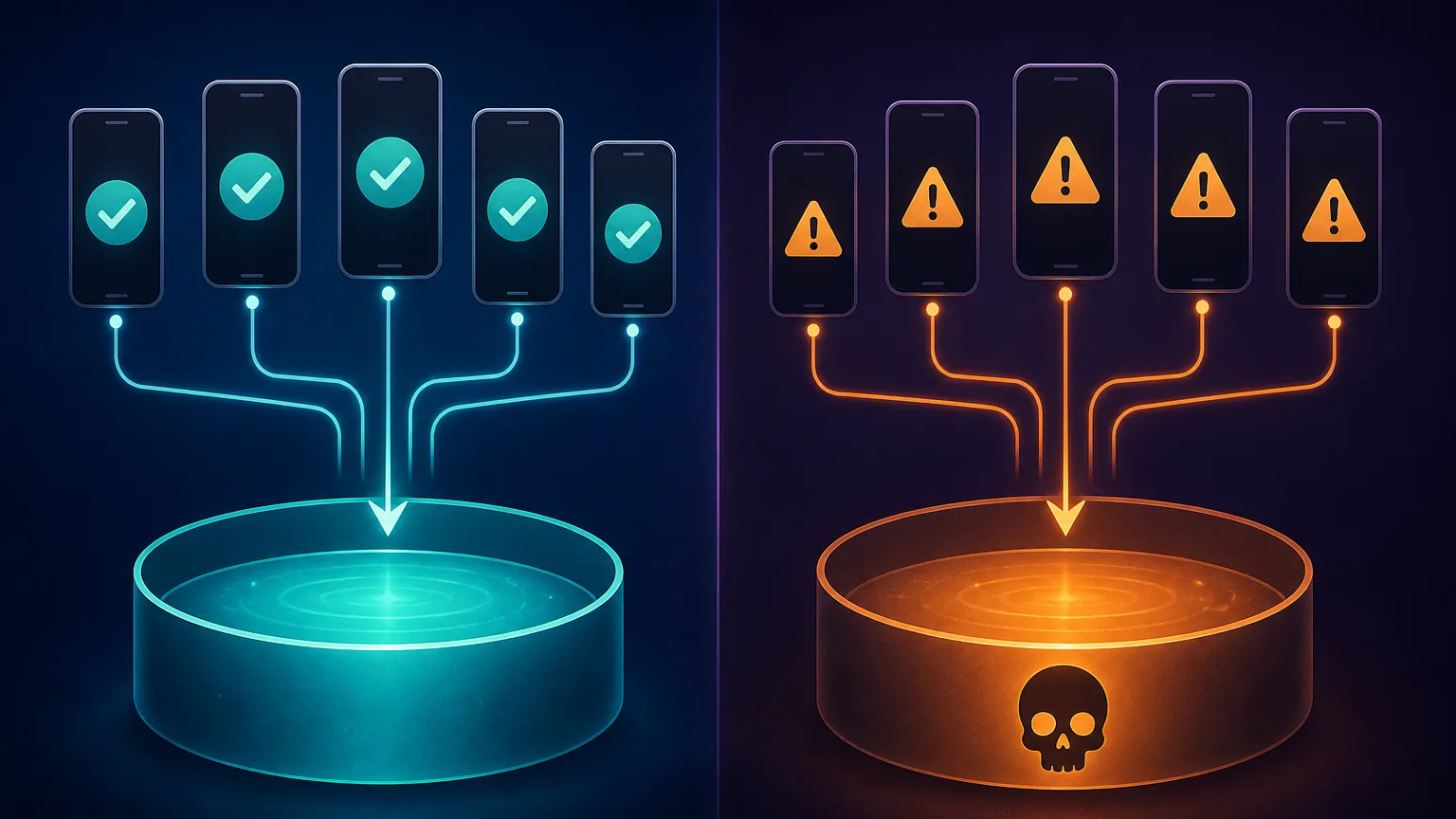
"Free" residential proxies are a warning sign
Running a residential network costs real money. If a residential proxy service is free, your device — or someone else's — is usually the product, enrolled into the pool to resell. Genuine free tiers are almost always datacenter, not residential.
2. Transparency and company legitimacy
Trustworthy providers act like real businesses, because they are. Look for:
- A registered company with a real address and identifiable leadership — not an anonymous brand behind a landing page.
- Clear, readable Terms of Service and an Acceptable Use Policy that spell out what's allowed.
- A KYC process for sensitive use cases. Counter-intuitively, a provider that asks you questions is often the more reputable one — it's screening out abuse.
- Honest marketing: no impossible guarantees, no "100% anonymous, 100% undetectable" snake oil.
3. Privacy and data handling
You use a proxy to control who sees your traffic — so the provider's own data practices matter enormously. A trustworthy one:
- Publishes a clear logging policy and minimises what it retains.
- Complies with GDPR / CCPA and names a data controller.
- Is transparent about data retention windows and what's stored about your sessions.
- Where possible, backs claims with independent audits rather than just marketing copy.
4. Network quality — and honesty about it
Pool-size numbers are the most exaggerated stat in the industry. What matters isn't the headline figure but whether the IPs are live, clean, and not already burned on your targets. Trustworthy providers are honest about realistic success rates, offer fresh and well-maintained IPs, publish meaningful uptime commitments, and don't pad their pool with duplicate or dead addresses.

5. Support, SLAs and accountability
When a job breaks at 2 a.m., support is the difference between a hiccup and a disaster. Signs a provider stands behind its product: responsive technical support (not just sales), a meaningful SLA for serious plans, a refund or trial policy so you can verify before committing, and clear documentation. A provider confident enough to let you test, and accountable when things go wrong, is one that expects to keep your business honestly.
Green flags vs red flags
| Green flags (trustworthy) | Red flags (walk away) |
|---|---|
| Documented, consent-based IP sourcing | Vague or hidden sourcing; "free" residential |
| Registered company, named team, real address | Anonymous operator, no company details |
| Clear AUP, KYC for sensitive use | No usage rules; "anything goes" |
| Published logging & GDPR compliance | No privacy policy or audit trail |
| Realistic claims, trial or refund | Impossible guarantees, no way to test |
| Responsive technical support & SLA | Sales-only contact, no SLA, slow replies |
How to verify before you buy
- Read the sourcing and compliance pages. If you can't find how they get their IPs, that's your answer.
- Skim the AUP and privacy policy. Clear rules and a real logging stance are good signs.
- Search their reputation. Look for independent reviews and community discussion, not just testimonials on their own site.
- Use a trial or small plan first. Test success rates on your targets before scaling spend.
- Check who they are. A registered entity with identifiable people beats an anonymous brand every time.
Start small, then scale
Even with a trustworthy provider, begin with the smallest plan, validate performance on your actual use case, and only then commit budget. Trust is earned over a real workload, not a landing page.
The bottom line
A trustworthy proxy provider is transparent about where its IPs come from, honest about what its network can do, careful with your data, and accountable when something breaks. Price and pool size are easy to advertise; ethical sourcing, clear compliance and real support are not — which is exactly why they're the signals worth buying on. Use the green-flag checklist above, verify before you pay, and you'll avoid the providers that turn a cheap proxy into an expensive mistake.
Frequently asked questions
Ethically, they come from real users who opt in through apps or SDKs that disclose the trade and often compensate them. Unethically, they come from malware, hidden bundleware or hijacked devices - effectively a botnet. Trustworthy providers document their consent-based sourcing.
Opaque IP sourcing. If a provider won't explain where its residential IPs come from, assume they were obtained without consent. Anonymous ownership, impossible 100% undetectable claims, and free residential proxies are close behind.
Usually not. Running a residential network is expensive, so free residential proxies typically enrol your device (or someone else's) into the pool to resell, often without clear consent. Legitimate free tiers are almost always datacenter proxies.
Reputable providers minimise logging, publish a clear policy, comply with GDPR/CCPA, and are transparent about data retention. The best back their claims with independent audits rather than marketing alone.
Read their sourcing, AUP and privacy pages, search for independent reviews, confirm there's a real registered company behind it, and use a trial or small plan to test success rates on your own targets before committing budget.